This is a traditional shrine. A place of traditional worship. It can be compared to the conventional church houses of today. It is a place where libations are poured to appease the gods of the land. During such rituals the chief priest who is usually and elderly male enters without his skull cap as a symbol of total submission. There are incantations begging the gods to render the land more fruitful. That is, asking for bountiful harvest, fertility and peaceful coexistence with neighbors. It is a secrete place safe to keep any item to come and meet on your return intact. Twice every year such rituals are repeated with high instructions from the royal Palace led by a masquerade called Mɨnaŋ.
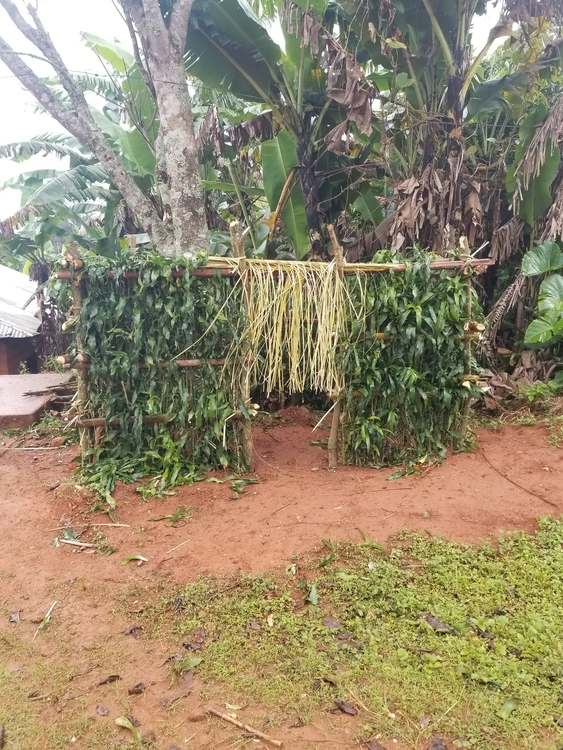
Wii lə́gə́ kwii alaʼ ma bɨ twéŋé nɨ ndɨgɨ ma tə́m fə́ mɨtoo ntóʼ ma lə́gə́ nə búʼ shə ɨfwo fə́ twéŋ ngoŋ ɨlééshɨ ntúm ntóʼ kə ze abii kwiʼi fə́ fəʼ gwá ma anwe dɨboŋ á fee kə ma aláʼ á bə́ŋnə́.
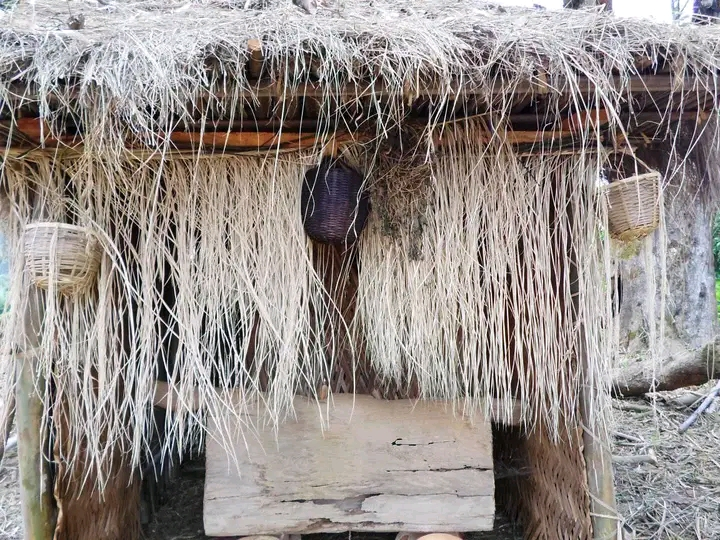
Fɨnkrishɨ fɨ tɨta Aləʼə fə́ alaʼ Mbəligi ma njɨndəgə gwi tɨta Ngwanoo Josef Aləʼə a fiʼdɨ. Aləʼə lə́gə́ ŋwen gwá ma mí nchúʼ atú Mbəligi fə́ mbugu ngaŋ kɨboo yə́gə́.
Fɨnkrishɨ Fɨ Tɨta Aləʼə
Aləgəlɨ yii di lə́gə́ mɨnwe mə́ŋə́ ma mɨ mí yə nchəgə fə́ njwí gwá ma bɨ kíí mə́ŋə́ ɨfwo Afuŋuchwi 111, nɨ aloo nɨvú tɨta Shámá fə́ alaʼ Dɨbaʼ nɨ bɨ tange búgúbɨ mənge ma bɨ loo nɨvú nɨ mənge shə nɨ njwí yə́gə́ ma bɨ mí yóʼó Fala Ɨfwoməntə́ŋ Kolovishɨ.
Bɨ məbe bəshə búgúbɨ bənkə́ nɨ məbe Mirjam Mollo gwá ma mí ndze nkoomɨ anwa gə ndishə agiʼi aláʼ fə́ alaʼ Mbəligi la.
Bambili 2015
Njwí yə́gə́ ma bɨ mí nwíshə ɨfwo Tamɨkum II fə́ nɨfoo.
Njwí Yə́gə́ ma bɨ mí Nwíshə Ɨfwo fə́ Alə́ŋ
Abáná bənge Mbəligi bə́gə́ ma bɨ jwíí fə́ wusháá ma bɨ gə fə aloo nɨvú tɨta shámá fə alaʼ Dɨbaʼ ŋyoŋo.
